Pay by the Hour or Pay by the Term: Where Your January Pottery Money Actually Goes Further

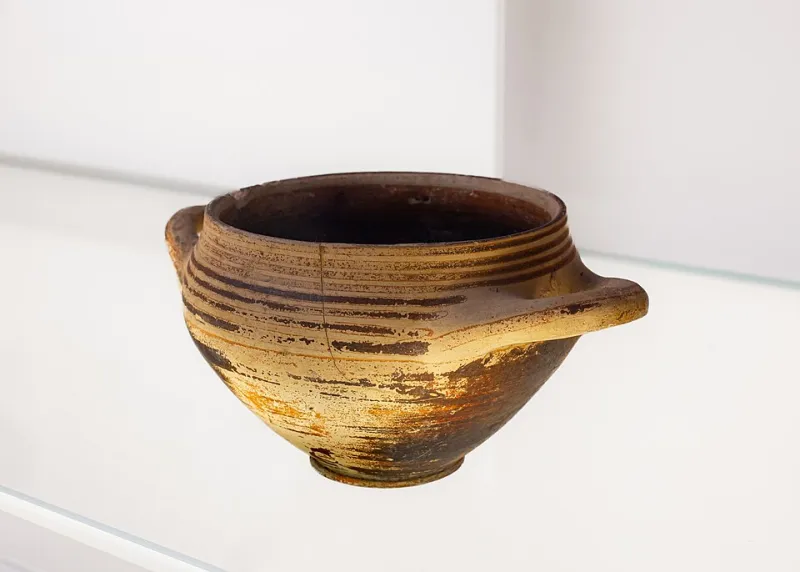
Photo: ArchaiOptix, CC BY-SA 4.0, via Wikimedia Commons
Every January the same small drama plays out on studio websites across the country. Books open at 9am, a few hundred people who got pleasantly muddy over Christmas hover over a booking button, and the choice comes down to two numbers: about £50 for an afternoon, or the better part of £300 for a term.
Both are legitimate ways into clay. But they are not the same product, and the price tags only look comparable until you divide them by the thing you actually want, which is time with your hands on a wheel.
So here's the unglamorous version, priced up.
What you are really buying
A taster session is an event. It has a start, a finish, a biscuit, and a pot you collect three weeks later. A term course is a practice. It has a rhythm, a bit of frustration in week two, a breakthrough in week five, and a shelf of things you made yourself.
One sells novelty. The other sells repetition. Repetition is where the learning lives, but novelty is not nothing. Plenty of people pay £50 to find out that clay makes their shoulders ache and they would rather do something else, and that is £50 extremely well spent.
The taster, honestly costed
Across the UK in 2026 you can expect to pay anywhere between £30 and £65 for a one-off session, with the bulk of them sitting at £45 to £55 for around two and a half hours. Most include clay, tools, aprons and the firing of one or two pieces. Some charge a few pounds extra for glazing, and a few charge nothing at all because the price already reflects it.
Now the bit the listing rarely spells out. In a group of eight sharing four wheels, your actual time at the wheel might be 50 to 70 minutes, plus some hand-building at the bench. Divide £50 by that and you are paying roughly £40 to £60 per hour of wheel time.
What you learn in that hour is usually one thing: how to make a cylinder, badly, with a tutor's hands guiding yours for the last thirty seconds. You will not learn to centre reliably. You will not learn to trim. You will almost certainly not glaze.
The term course, honestly costed
Six-week courses typically run £150 to £260. Eight-week courses tend to sit between £220 and £380. London, Bristol and the bigger cities push towards the top of that; parish halls, community centres and local authority adult education push towards the bottom, and are still the best-value clay in Britain if you can find a surviving one.
Then come the extras. Materials fees of £25 to £70 are common. Many studios include clay but charge firing by weight, often somewhere in the region of £6 to £12 per kilo across biscuit and glaze. Some will only let you fire work made from studio clay, which is a reasonable safety rule but does add up if you get prolific.
On contact time, a £240 eight-week course at two and a half hours a session works out at £12 an hour. Even allowing a materials fee on top, you are usually under £20.
The comparison nobody puts in the brochure
Put plainly: the taster costs three to four times more per hour of contact time, and considerably more per hour of wheel time. What it buys you is a decision. Term courses cost less per hour and buy you a skill, but only if you turn up for all eight weeks, and only if the studio's wheels are not so oversubscribed that your hour becomes forty minutes.
There is a middle path plenty of people miss. Ask whether the studio credits your taster fee against a term booking. Several do, quietly, if you ask before paying. Ask, too, about open-access membership once you have done a term, which is usually the cheapest clay per hour of all.
Questions to ask before the deposit leaves your account
- How many wheels per person? Four wheels and twelve students is a different course from six wheels and eight students.
- Is firing included, and measured how? Per piece, by weight, or unlimited. Get a number.
- Who is teaching, and what is the ratio? A working potter with six students is worth more than a big name with sixteen.
- What happens if I miss a week? Some studios offer a catch-up session; many do not.
- What is the deposit and refund policy? January bookings and food poisoning go together more often than anyone admits.
- Is glazing a separate session? Sometimes week eight is glazing and you need a ninth visit to collect.
The short answer
If you are not sure you like clay, spend the £50. If you already know you do, or you want a mug you made yourself rather than a mug someone helped you make, put the money into a term and accept that week three will feel like a step backwards.
The real trap is booking a taster in January, loving it, and then finding the spring term sold out. Check the term dates before you book the taster. Studios rarely advertise that the two run in a queue.