Muddy Boots, Clean Aprons: A Beginner’s Ranking of UK Pottery Sessions

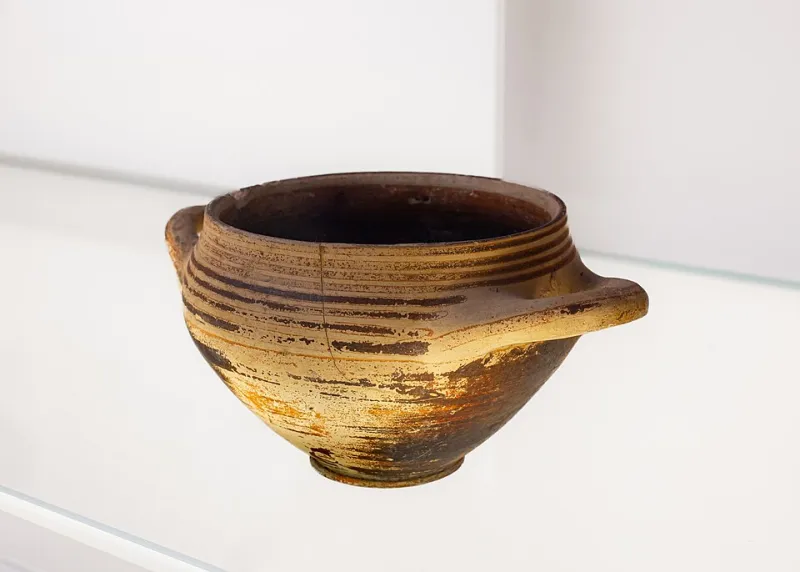
Photo: Diego Delso, CC BY-SA 4.0, via Wikimedia Commons
Pottery has a reputation problem. Not the good kind. The kind where a friend books a “ceramics experience” and comes home with a painted mug, clean sleeves and a vague sense that they have somehow cheated the clay gods.
That is not a criticism of paint-your-own cafés. They are lovely. But if your idea of a good Saturday involves actual mud, a wedging board and the faint panic of a wheel spinning slightly faster than your intentions, you need to know what you are signing up for. So here is a beginner-friendly ranking of the main UK pottery formats, scored on clay contact, mess, skill-building and cleanup. Think of it as a mud-to-meaning guide.
How the scoring works
Each format gets marks out of five in four categories: clay contact (how much bare-hand clay work you do), mess (aprons, floors, hair), skill-building (what you actually learn) and cleanup (how much of the session is spent at the sink). A high score is not automatically “better”. A raku day is not the right first step for everyone, and a paint-your-own mug can be exactly the calm afternoon you need.
1. Paint-your-own ceramics café — the clean-hands gateway
Clay contact: 1/5. Mess: 1/5. Skill-building: 2/5. Cleanup: 1/5.
You choose a ready-made bisque piece — a mug, a bowl, a small dinosaur — and decorate it with underglazes and brushes. The clay has already done its hard work elsewhere. Your job is colour, pattern and hoping the kiln gods are kind.
This is the least muddy option on the list, and that is fine. It is ideal for groups with mixed enthusiasm, rainy afternoons and anyone who wants a completed object without wrestling a lump of stoneware. You will learn about glaze layering and how colours shift in the kiln, which is genuinely useful. But if you turn up in old clothes expecting to be caked by lunchtime, you will be disappointed. Bring a friend, not a wet flannel.
2. Hand-building taster — the proper beginner’s mud bath
Clay contact: 5/5. Mess: 5/5. Skill-building: 4/5. Cleanup: 3/5.
This is the classic village-hall or studio taster: a lump of clay, a wooden board, a few ribs and a tutor showing you pinch pots, coils or a simple slab dish. Within ten minutes your hands are grey, your nails are a write-off and you have remembered why aprons exist.
Hand-building is the best first taste of real clay because it is forgiving. You can slow down, fix mistakes and actually feel how the material behaves. A good taster covers joining, slipping and scoring, and why a thick base can crack in the kiln. A less good one lets you make a lopsided coil pot and sends you home with no idea what happened next. Either way, you will leave muddy and mildly obsessed.
3. Wheel-throwing taster — short, sweaty and humbling
Clay contact: 5/5. Mess: 4/5. Skill-building: 3/5. Cleanup: 4/5.
A two-hour wheel session is the pottery equivalent of a first driving lesson: brief, thrilling and mostly spent discovering how many ways you can lose control. You will centre clay — or watch the tutor centre it for you — pull a couple of wobbly cylinders and learn that “coning up and down” is not a euphemism for a bad day.
It is messy in a contained way. The wheel splashes, your forearms get coated and the floor gets a fine grey mist. But many UK studios keep sessions short and structured, so you may only make one or two small pieces. That is normal. Wheel-throwing rewards repetition, and a taster is not the place to expect a dinner service. Book it for the experience, not the output.
4. Weekly wheel course — where the real mud lives
Clay contact: 5/5. Mess: 5/5. Skill-building: 5/5. Cleanup: 5/5.
A six- or eight-week course at a local arts centre or studio is the deep end, in the best way. You get repeated time on the wheel, proper instruction on centring, pulling walls and trimming, plus the unglamorous truth of studio life: cleaning down wheels, recycling clay and labelling your pots before someone else claims them.
This is the format that builds actual skill. It is also the one that will ruin your manicure and possibly your car boot. If you are weighing up a taster versus a course, ask yourself whether you want a fun afternoon or a new habit. The course scores highest on mess because you will spend weeks with clay in your cuticles and a fine dusting on everything you own.
5. Raku day — theatrical, smoky and not for the faint-hearted
Clay contact: 4/5. Mess: 5/5. Skill-building: 4/5. Cleanup: 5/5.
Raku is the bonfire night of ceramics: outdoor kilns, reduction bins, smoke, tongs and a group of adults staring at glowing pots like they have discovered fire. UK weather adds a certain frisson. You will need old clothes, sensible shoes and a tutor who takes safety seriously.
It is not usually a first-timer’s making session — you often glaze pre-made bisque pots and focus on the firing process. The clay contact is lower than a hand-building class, but the mess is spectacular and the learning is real: glaze behaviour, thermal shock, post-firing reduction. Cleanup involves soot, ash and a long shower. Choose this when you want drama, not a quiet Sunday.
6. Social prescribing and community sessions — mud with a softer landing
Clay contact: 4/5. Mess: 3/5. Skill-building: 3/5. Cleanup: 3/5.
Community pottery groups, library workshops and social prescribing sessions are some of the most welcoming ways into clay. They tend to be slower, cheaper and less output-focused. You might make a simple pinch pot or tile, but the real point is the table, the tea and the company.
These sessions often suit beginners who feel intimidated by a formal studio. The mess is moderate because everything is set up for accessibility, and the skill-building is gentle. Do not dismiss them as “not proper pottery”. A muddy hour with good company is still a muddy hour.
So which one gets you dirtiest?
If your appetite is for actual clay under the nails, go for a hand-building taster or a weekly wheel course. If you want a low-mess creative afternoon with a finished piece, the paint-your-own café is honestly hard to beat. And if you want smoke, fire and a story for Monday morning, book a raku day — just check the studio’s safety guidance first.
The best pottery experience is the one that matches your energy, not the one that looks most impressive on Instagram. Wear old clothes. Bring a hair tie. And do not panic when the clay dries your hands out — that is just the mud introducing itself.