Quiet Wheels, Clear Steps: Finding a Pottery Class That Works With ADHD
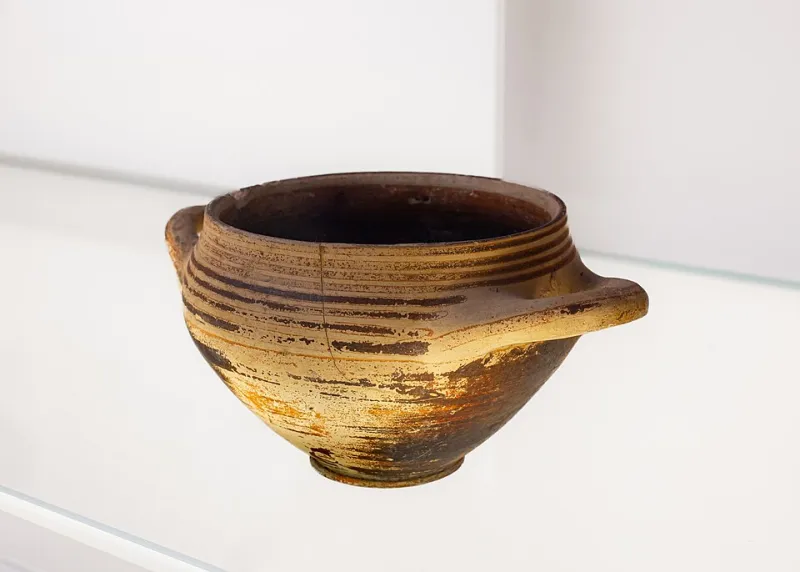
Photo: ArchaiOptix, CC BY-SA 4.0, via Wikimedia Commons
Pottery has a reputation as the great calming hobby. Hands busy, phone away, nothing to refresh. For some ADHD brains that is exactly the appeal: a task with immediate feedback, a bit of mess and a visible result you can hold. For others, the reality of a busy studio — radios, squeaking wheels, vague instructions and clay drying on your sleeves — is less mindful retreat, more sensory ambush.
The good news is that the difference between a class that works and one that overwhelms is rarely about willpower. It is about environment, structure and how clearly the tutor explains what happens next. In autumn 2026, more UK studios are waking up to that, even if few advertise themselves with the word 'neurodivergent' in the listing.
Why pottery and ADHD can be a good match — with caveats
Clay is honest. You press it, it moves. You leave a thumbprint, it stays. That immediate cause-and-effect can be far more satisfying than a spreadsheet or an inbox. Hand-building especially offers short, repeatable actions: roll a coil, score a join, smooth it down, move on.
But pottery is not automatically regulating. A six-week course with open-ended projects, a crowded Tuesday evening slot and a tutor who demonstrates once at the front can be a recipe for decision paralysis. The aim is not to find a class that fixes your brain. It is to find one that removes unnecessary friction so you can actually enjoy the clay.
What an ADHD-friendly studio tends to look like
A studio does not need a special label to be a good fit. In practice, the useful markers are fairly practical. Smaller groups help. So does a tutor who gives one instruction at a time, writes the steps on a board and checks in without hovering. Having tools and clay laid out before the session starts is quietly brilliant for anyone who loses ten minutes deciding which rib to pick up.
I spoke to a studio lead in Leeds who runs weekday morning sessions for small groups. She said the biggest change was not specialist training but pacing: 'We stopped doing a big demo at the start and then disappearing. Now we demo one stage, everyone has a go, then we demo the next bit. People can ask questions before they have already gone wrong.'
That sounds simple. It is also the kind of structure that helps a beginner of any neurotype.
The quiet slot is not a myth
If noise and crowds are the sticking point, ask directly about quieter sessions. Many UK studios run weekday daytime classes, early Sunday slots or term-time sessions that are calmer than a Saturday taster. Some have a radio-free policy. Others will turn the music down if asked.
Before booking, it is worth asking whether you can pop in for five minutes to see the space. A quick look will tell you more than a website photo: how loud the extractor is, how close the wheels are, whether the lighting is harsh, how strong the clay dust smell is and whether there is a quiet corner to step away to.
Demos that do not vanish into thin air
A common ADHD frustration is the demonstration that happens once, at speed, while you are still processing the first sentence. Ask whether the tutor provides a printed step-by-step sheet, a photo sequence or a short video you can rewatch. Some studios allow you to take your own phone photos of each stage. Others have laminated guides at the bench.
This is not cheating. It is good teaching. A visual reference frees up working memory and lets you focus on the feel of the clay rather than trying to remember whether the join goes on the inside or outside.
Sensory considerations worth raising
Clay itself can be a sensory issue, even for people who love the idea of it. Some hate the dryness of slip; others cannot stand the feeling of wet clay under fingernails. Neither is a reason to give up. Barrier cream, nitrile gloves, a nail brush and a hand towel can make a big difference.
Other things to think about:
- Aprons and old clothes: ask what the studio provides and what you should bring.
- Dust and ventilation: hand-building is usually less dusty than a busy wheel room, but it is worth asking how the studio manages silica dust.
- Sound: wheels, extractors, chatter and hand dryers can add up. Loop earplugs or standard foam plugs are cheap and unobtrusive.
- Temperature: British studios can be chilly in winter. Layers are your friend.
- Breaks: ask whether you can step out without it being a thing. You should be able to.
The questions to send before you pay
A short email before booking can save a lot of anxiety. Try these:
- How many people are in the class, and how many tutors are present?
- Do you offer any quieter sessions or lower-stimulation slots?
- How are demonstrations delivered — live, printed, video or a mix?
- Are breaks built in, and can people step out if they need to?
- What is provided, and what should I bring?
- Is firing included in the price, and how long does it take?
- Is there storage for work in progress between weeks?
- What happens if I miss a week — is there a catch-up sheet or video?
- Is the studio accessible for my needs, including toilets and parking or public transport?
- Can I book a one-off taster before committing to a course?
You do not have to disclose a diagnosis. But if you feel comfortable saying 'I focus better with written steps' or 'I find busy rooms tricky', most tutors will take it on board. Under the Equality Act 2010, education and service providers have duties around reasonable adjustments, though a friendly conversation is usually the fastest route.
Taster first, course second
A two-hour taster is a low-stakes way to test the room, the tutor and the clay. If you come out buzzing, a longer course may suit. If you come out frazzled, you have learned something useful without losing six weeks and a firing fee.
When you do book a course, ask how missed sessions are handled. Some studios offer catch-up notes or a recap at the start of the next class. Others do not. Knowing this upfront reduces the spiral if life gets in the way.
A beginner's day-of checklist
- Eat something before you go. Low blood sugar and clay do not mix well.
- Pack water, a snack, a hairband, old clothes, a towel and any earplugs you like.
- Put the studio address and travel time in your phone the night before.
- Arrive with a few minutes to spare, but not so early that you are pacing a busy corridor.
- Tell the tutor privately if you need written steps, a quiet seat or permission to step out.
- Choose a spot away from the door or the loudest wheel if you can.
- Photograph each demo stage if the studio allows it.
- Set a gentle phone timer for breaks if time blindness is a thing for you.
- Remember that leaving a class early is allowed. You are not being graded on endurance.
Pottery will not suit every ADHD brain every week. But a calm room, a clear sequence and a tutor who explains the next step before expecting you to guess it can make the difference between a hobby that drains you and one that genuinely gives your mind somewhere to land. Ask the questions, book the taster and get your hands muddy.