Wheel Deal: What UK Pottery Class Listings Actually Mean for Beginners

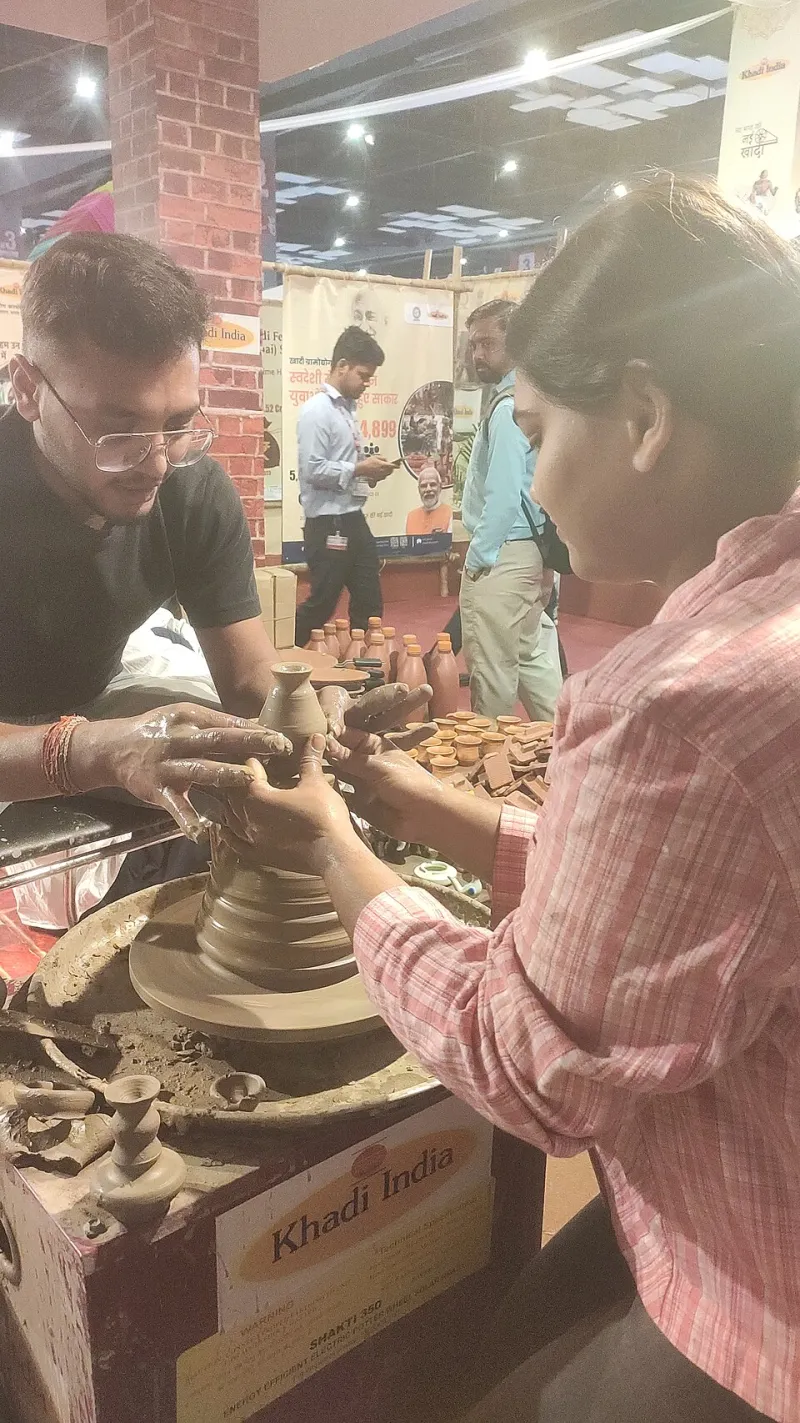
Photo: beginner wheel throwing pottery class UK studio hands in clay, via i.ytimg.com
Pottery class listings can read like they were written by someone who really wants you to have a nice time but is not entirely sure what you will actually learn. ‘A relaxed introduction to the wheel’ could mean two hours of guided throwing or twenty minutes of watching someone else do it while you take photos. ‘All materials included’ might mean clay and glaze—or it might mean clay, with firing charged separately at the end. If you are a beginner in the UK, a little translation goes a long way.
First, the big four formats
Taster sessions are usually short—two or three hours—and designed to give you a feel for clay. You might throw a couple of simple cylinders, maybe make one small bowl, and glaze it if you are lucky. Expect a group setting, a demo, and a lot of clearing up. A good taster is fun and realistic. A bad one is a conveyor belt with aprons.
Six-week courses are the classic evening-class format. They usually run weekly for two or three hours and are aimed at building skills over time: centring, opening out, pulling walls, trimming, handles and glazing. You will usually make more than one piece, and you will usually have to wait a few weeks for firing. These courses are often the best value for beginners who genuinely want to learn rather than just have a go.
Open studio access sounds exciting and is often misunderstood. It usually means you can use the studio’s wheels, tables and kiln outside class time—but it is not necessarily tuition. Some studios require an induction or a minimum skill level before they let you loose. If you have never thrown before, open access alone is not a beginner course. It is a room with equipment and a lot of assumptions.
Throwing experience days are the long-form version: often four to six hours, sometimes with lunch, sometimes with a ‘make a set’ promise. They can be brilliant for a gift or a deep dive, but check what you actually get to keep. One day is enough to learn the basics of centring and maybe make a wobbly bowl. It is not enough to master the wheel, and any listing that implies otherwise is selling fantasy.
What you can realistically make
As a beginner, you should expect to make small, simple things: a cylinder that becomes a mug, a small bowl, maybe a squat vase if the clay behaves. Handles are harder than they look. Glazing is a whole separate skill. A good class will not promise you a matching dinner service on day one. It will promise you a grounding in the process and a piece or two that you can proudly use, even if it leans slightly to one side.
The small print: clay, firing and glazing
This is where listings get slippery. ‘Clay included’ might mean a set amount per person—often 1–2kg for a taster, more on a course. ‘Firing included’ is the phrase you want to see. Kiln space is expensive, and some studios charge per piece or per batch after the class. Glazing may be included, or you may be asked to return for a glaze session, or the studio may glaze your pieces for you. Ask before you book. There is no shame in it. A £45 taster that costs another £15 to fire is not the same as a £45 taster that includes everything.
Also check collection. Will your pieces be ready in two weeks or six? Can you post them? What happens if a piece cracks in the kiln? Most studios are honest about breakages, but it is worth knowing the policy before you get attached to a mug that may not survive the firing.
Questions to ask before you pay
How many wheels are there, and how many people per wheel? If the answer is ‘one wheel between four’, you are booking a demo, not a throwing class. What is the maximum group size? How much clay do I get? Is firing included? Is glazing included? Do I need to book a separate glaze session? What should I wear? Are nails and jewellery a problem? Is there parking or good public transport? And who is teaching—are they a working potter, a technician, or a volunteer with a script?
A good studio will answer these questions without flinching. A great studio will have the answers on the listing already.
Red flags that say ‘photo opportunity’
Be wary of listings that are heavy on ‘aesthetic studio vibes’ and light on practical detail. If there are no photos of student work, only styled shots of hands and aprons, ask for examples. If the class promises ‘a finished mug’ in a two-hour session with no mention of firing, be suspicious. If the group size is huge and the wheel count is vague, expect a lot of watching. And if the price seems too good to be true, check what is excluded. Pottery is not an expensive hobby because potters are mean; it is expensive because kilns, clay and space cost money.
None of this is meant to put you off. A good beginner class is one of the most satisfying things you can do with a wet Tuesday evening. You will get muddy, you will probably over-centre your clay, and you will leave with a new respect for every mug in your cupboard. Just read the listing like a potter, ask the boring questions, and book the class that actually teaches you what you want to learn.