Clay, Cask and Camaraderie: Inside the UK’s Pub Pottery Night Boom
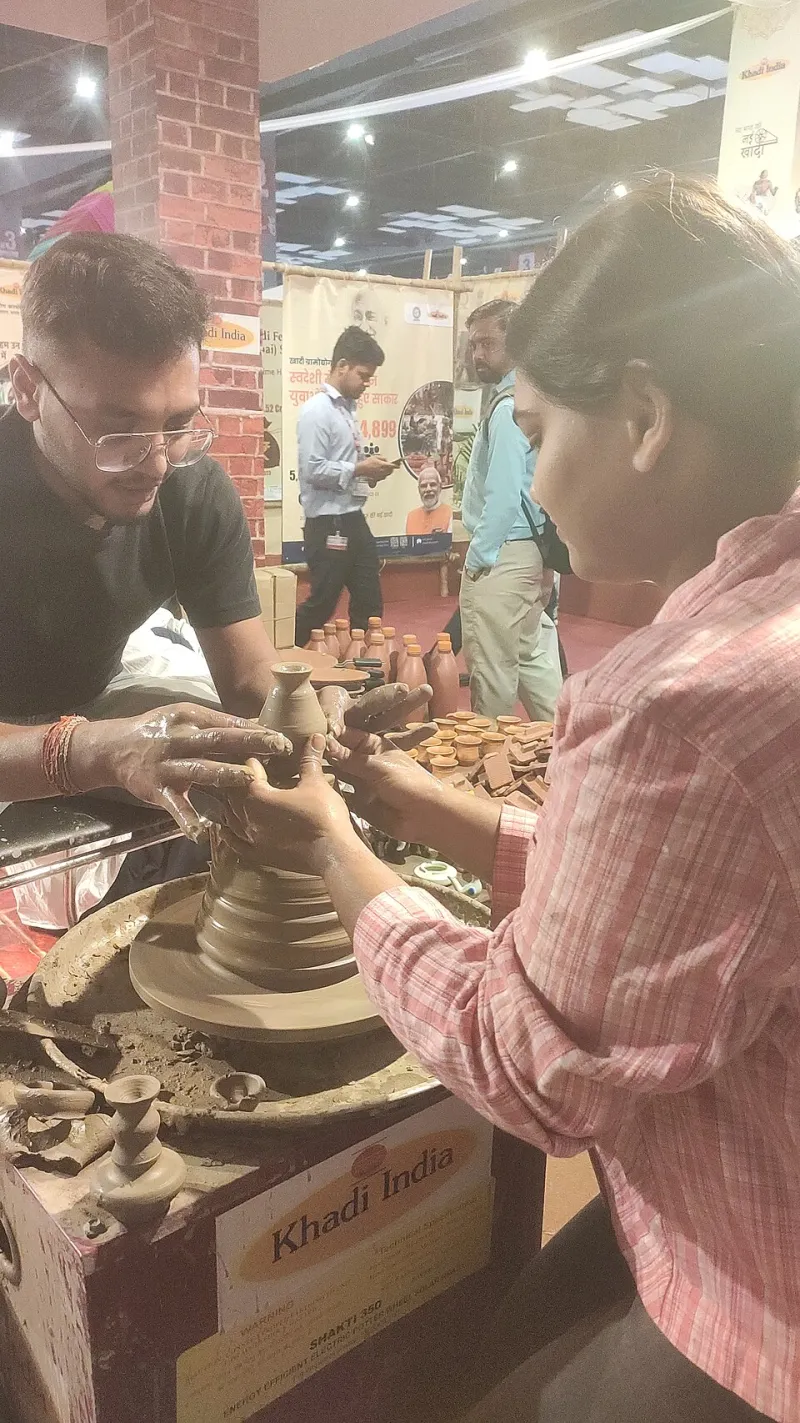
Photo: Goutam1962, CC BY-SA 4.0, via Wikimedia Commons
There’s a moment in every pub pottery night when the room goes quiet. Not because the tutor has said something profound, but because thirty people are concentrating on pinching a wall of clay to an even thickness while trying not to knock over their drinks. Then someone’s pot slumps, everyone laughs, and the chatter starts again. That mix of concentration and chaos is exactly why pub pottery has become a proper fixture on the UK craft calendar in 2026.
Why the pub studio is having a moment
Part of it is practical. A one-off clay night is cheaper than a six-week course and easier to fit around work. Part of it is social: you can bring friends who would never book a pottery workshop on their own. Pubs, bars and cafés, meanwhile, are looking for reasons to fill quieter weeknights, and a tutor-led craft session brings in a different crowd from the Friday pint-and-burger rush. The result is a happy overlap between the craft boom and the great British pub.
Pottery also scratches an itch that screens don’t. You use your hands, you make a mess, and you end up with something physical. In a less-than-traditional studio, that experience feels less intimidating. There’s no expectation to be good. The pint helps.
What to expect from a pottery and pint session
Most sessions run for 90 minutes to two hours and focus on hand-building rather than the wheel. You might make a pinch pot, a small dish, a spoon rest or a slab-built mug. The tutor demonstrates a technique, hands out clay, then circulates while you work. Wheels do turn up at some events, but they’re less common because they need space, water and more one-to-one attention.
Firing is usually included in the ticket price, but check. Your piece will normally be taken away by the organiser, fired and glazed, then returned to the venue for collection a few weeks later. Some events offer posting for an extra fee. Ask about turnaround times before you book, especially if you’re making a gift. Also ask whether drinks are included, whether there’s food, and how many people are in the room. A cosy back room is lovely; a cramped one is less so.
How to find a class near you
Search for pottery and pint plus your city, clay night plus your town, or pub pottery class plus your county. Eventbrite, local studio newsletters and venue noticeboards are all worth checking. In 2026 you’ll find regular sessions in Bristol, Manchester, Leeds, Birmingham, Glasgow, Edinburgh, Cardiff, Belfast and plenty of smaller towns, often hosted by independent studios rather than the pubs themselves.
Before booking, read the small print: age limits, cancellation policy, accessibility, and whether you need to bring an apron. If you’re going with a group, book together and arrive early enough to settle in. And if the pub is a favourite, ask the landlord whether they’d consider hosting a night. Stranger things have happened.
Tips for a less-than-traditional studio
- Wear old clothes and leave rings at home. Clay gets everywhere, and short nails make pinching easier.
- Pace your pint. One drink is fine; three makes judging wall thickness a lot harder.
- Pick a simple project for your first go. A pinch pot or spoon rest teaches you more than an ambitious mug.
- Ask what clay you’re using and how it will be fired. If you want a food-safe piece, check the glaze and firing temperature.
- Take a photo of your piece and note the collection date. Pub back rooms are not famous for their inventory systems.
- Accept the wonk. Hand-built pots are supposed to show the maker’s hand.
The bottom line
Pub pottery won’t replace a proper course if you want to learn to throw, glaze and fire seriously. But as a way into clay, it’s brilliant: low pressure, sociable and close to home. The craft trend of 2026 isn’t really about the pint. It’s about making something with your hands while the rest of the week waits outside.