Screen vs Slab: What Televised Pottery Still Gets Wrong About Your First UK Course
There is a moment in every televised pottery challenge when the clock is ticking, the clay is flying, and someone produces a perfectly fluted vase as if they were born with a rib in each hand. It is brilliant telly. It is also about as representative of a first UK pottery class as MasterChef is of making beans on toast.
That is not a dig at the shows. Ask most tutors and they will tell you they are glad the cameras have brought new people through the studio door. The trouble starts when beginners arrive expecting a three-minute centring montage and a glaze reveal before the kettle has boiled. Here is what the screen tends to smooth over — and what actually happens when you sign up for a six-week course at a village hall, arts centre or shared studio near you.
The 20-minute pot myth
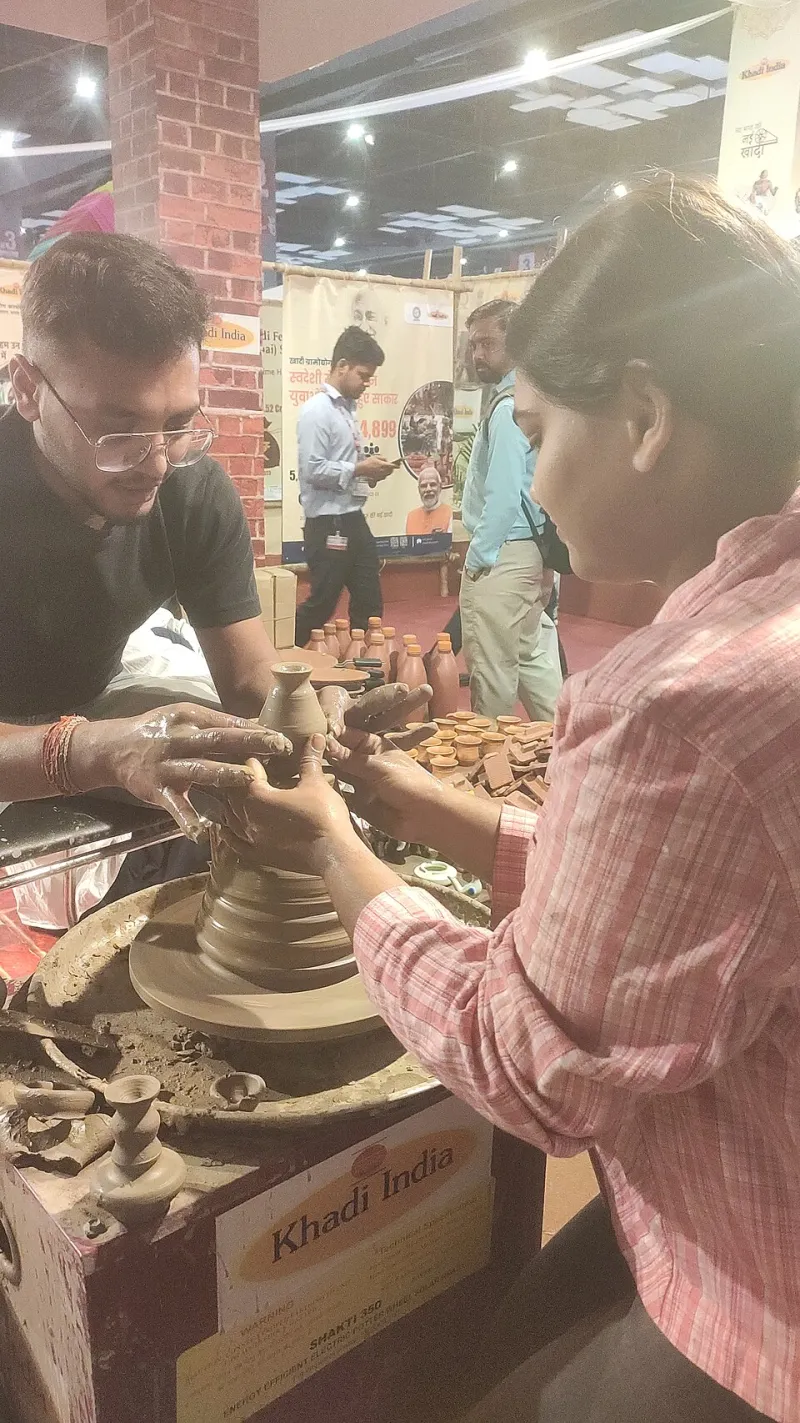
On screen, a challenge brief lands and a pot appears in the time it takes to make a round of tea. In real life, the first session is often wedging clay, a health-and-safety chat, learning where the buckets live and making something small and unglamorous with your hands. Pinch pots are not a demotion. They are how you learn what clay does.
Ruth, a tutor at a community studio in Sheffield, says she spends the first two weeks gently lowering expectations. 'People come in wanting a dinner service,' she says. 'I want them to leave week one with one cylinder that stands up and a vague understanding of why it nearly didn't.' Throwing is a physical skill. Your body learns it through repetition, not through watching a highlight reel. By week six, most beginners have made a few wobbly cylinders, maybe a bowl, and a stronger relationship with their own patience.
Centring is not a personality test
Television makes centring look like a quick wrestle followed by a serene smile. In a real class, centring can take weeks to click. The clay lurches, your elbows drift, the wheel speed feels wrong, and suddenly you are convinced everyone else in the room was secretly born in Stoke-on-Trent. They were not. They are just further along the same messy line.
Amelia, 29, took a six-week evening course in Bristol earlier this year. 'My first cylinder collapsed so many times I stopped counting,' she says. 'Then one night it just stayed up. It was not a nice pot. It was a lumpy little thing. I was absurdly proud of it.' That is the real plot twist TV rarely shows: the small, private win of a pot that holds its shape. It does not need a judges' table. It needs a biscuit firing and a place on your windowsill.
Glaze shelves are not curated Instagram palettes
In televised pottery, glazes arrive in neat buckets and fire to exactly the colour promised on the label. In a shared UK studio, glaze day is closer to a chemistry lab crossed with a jumble sale. Buckets are labelled, but some are mysterious. Test tiles matter. Notes matter. The difference between a lush tenmoku and a sad brown puddle can be firing temperature, application thickness or whether the kiln gods were in a good mood.
Tutors will usually steer beginners towards reliable commercial glazes or a small set of studio staples before letting them loose on the mystery shelf. That is not gatekeeping. It is quality control. If you want to experiment — and you should — ask for a test tile first. Write down what you did. Future you will be grateful.
Kiln queues and the firing lottery
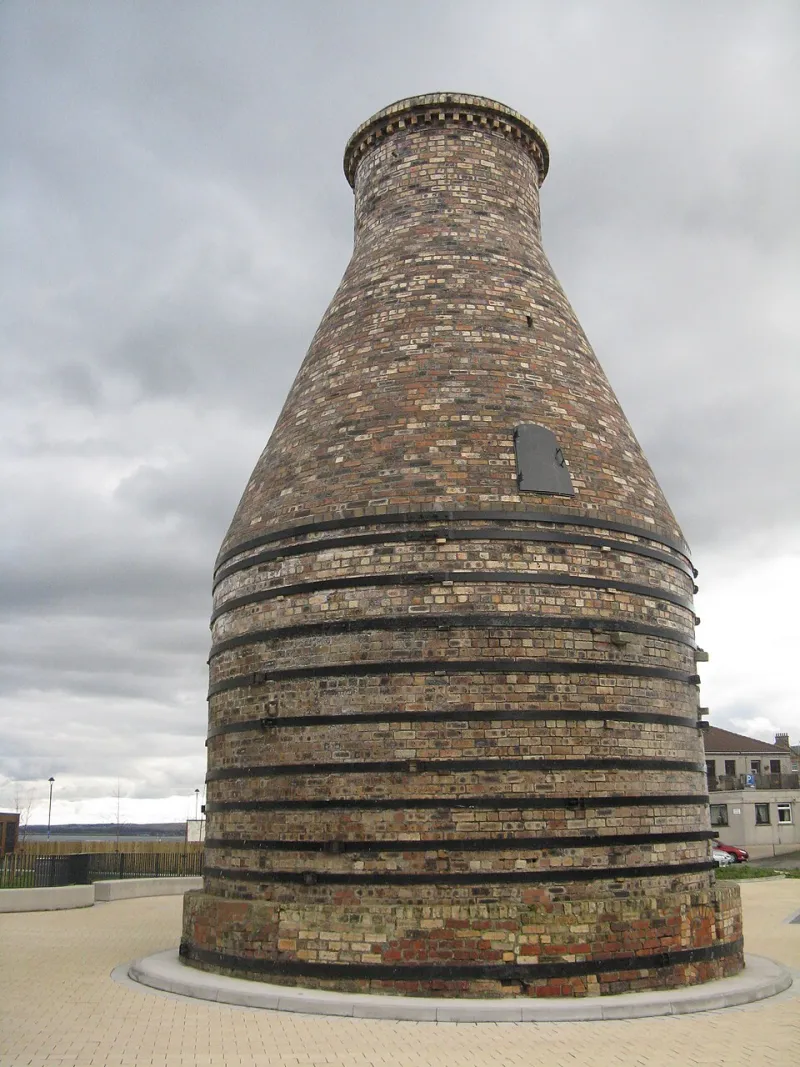
This is the bit that really separates telly from the village hall. A class kiln is shared, packed carefully and fired when there is enough work to justify a cycle. There is a biscuit firing and a glaze firing. There are shelf gaps to negotiate. Your pot may not come home on the last night of term; it might be ready a couple of weeks later, or posted to you, or waiting at the studio's next open day.
That delay can feel frustrating if you have been raised on instant reveals. But it is also part of the rhythm. Pottery is a slow craft with a lot of waiting built in. The kiln is not a vending machine. It is a shared resource, and learning to work with it is part of becoming a studio member rather than just a course attendee.
What TV gets right
Plenty, actually. The shows capture the tactile joy of clay, the comedy of failure and the fact that makers are usually generous with each other. They make pottery look like something you could try, which is a good thing. A good tutor will even use that energy. They will let you dream about the fancy vase, then hand you a lump of clay and show you how to wedge it.
What they cannot give you is the pace. Six weeks is not long. You will not leave as a production potter. You will leave with a few pieces, a clay-stained apron and a clearer idea of what you want to learn next. That is a proper result.
How to prep for your first course
Wear old clothes and short nails. Bring a notebook, a cheap apron and a willingness to be bad at something in public. Ask before you book whether clay, firing and tools are included, how big the class is, and when work is collected. Do not buy a wheel. Do not buy a kiln. Buy a notebook and maybe a decent sponge.
Mostly, give yourself permission to be slow. The screen version of pottery is a sprint with a soundtrack. The real version is quieter, messier and far more satisfying: a bit of clay, a shared wheel, a kiln queue, and a wonky little pot you made with your own hands.