From Devon Ball Clay to Staffordshire Fire Clay: A Potter’s Field Guide to British Clays

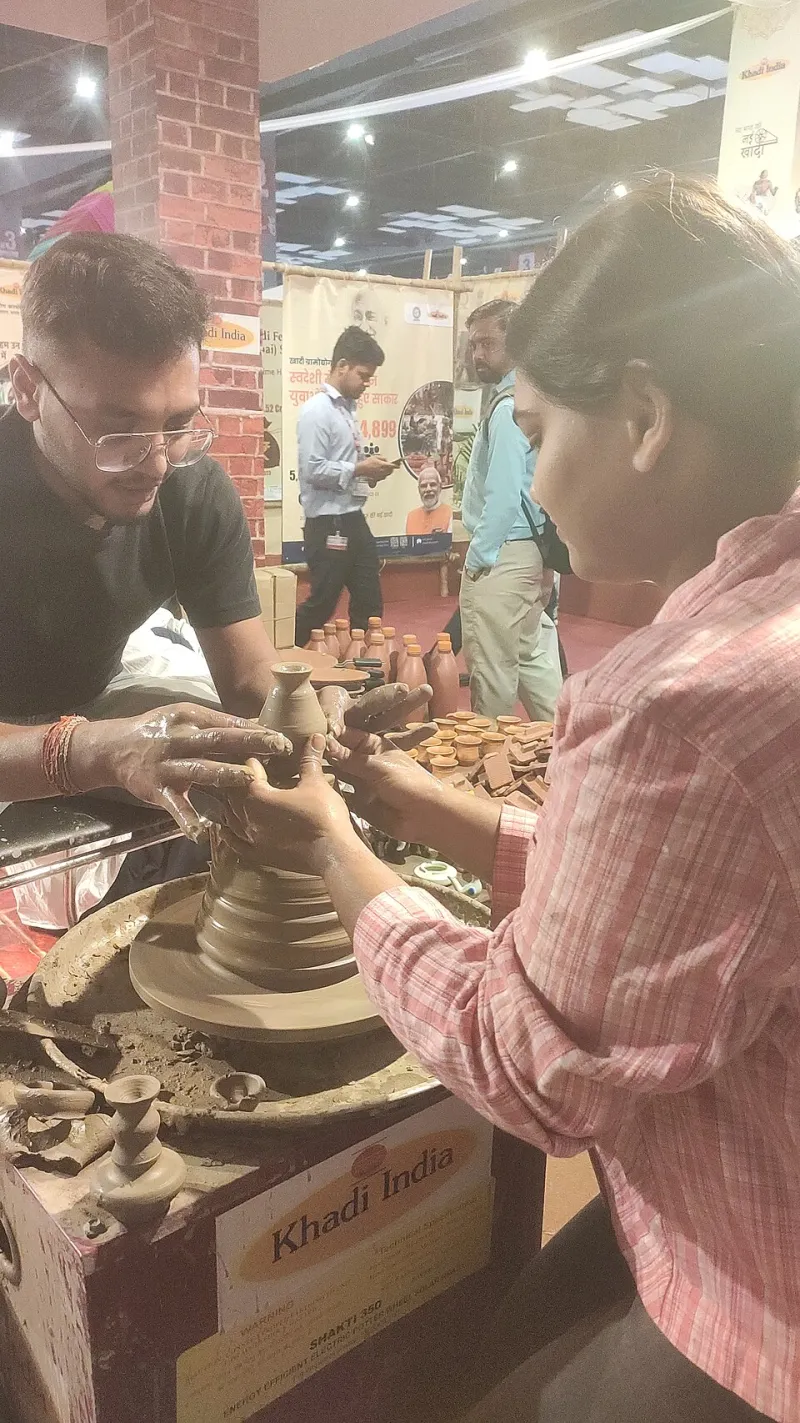
Photo: raw clay lumps regional British clay pottery studio, via www.themovieblog.com
Britain is built on clay. Literally. From the brick terraces of London to the sanitaryware works of Staffordshire, the country’s geology has shaped what potters can dig, blend and fire. For hobbyists, that history is useful: it explains why a bag of Devon ball clay behaves nothing like a lump of Staffordshire fire clay, and why some local clays are better left to the brickworks. This is a practical field guide to the regional clays you’re most likely to meet in a UK studio in 2026, with notes on what they’re good for and where to source them.
Why regional clay still matters
Clay is heavy, so it rarely travels far unless it’s processed and sold. That’s why pottery regions grew up around clay seams: Staffordshire had fireclay and coal, Devon had ball clay, Cornwall had china clay. Today most hobbyists buy prepared clay from a supplier rather than digging their own, but the regional character survives in blends. A buff stoneware may contain Devon ball clay for plasticity; a grogged sculpture body may lean on fireclay; a porcelain body will be built around Cornish kaolin. Knowing what’s in the bag helps you choose the right clay for the job.
One warning before we go further: clay straight from the ground is not a ready-made pottery body. It needs drying, breaking down, sieving, wedging and testing. It may contain stones, roots, soluble salts or unexpected shrinkage. For beginners, a processed clay from a reputable supplier is almost always the better starting point.
Devon ball clay: the plastic powerhouse
Devon ball clay comes from the Bovey Basin around Newton Abbot, where fine-grained kaolinite-rich sediments were laid down millions of years ago and later worked for pipe clay, bricks and ceramics. Ball clay is incredibly plastic and strong in the green state, which is why it’s used in tableware, sanitaryware and tiles. It’s also sticky, shrinks a lot and can be difficult to use on its own for large pieces.
Beginner projects: small pinch pots, handles, sculptural details and test tiles. Try a commercial buff or white stoneware that already contains ball clay rather than a pure ball clay. If you’re mixing your own, blend it with kaolin and grog to open the body. Suppliers: CTM Potters Supplies in Newton Abbot is the obvious Devon name, while Potclays and Valentine Clays sell ball-clay-based stoneware bodies.
Cornwall’s china clay: white gold, tricky for beginners
Cornish kaolin, or china clay, comes from the altered granite around St Austell. It’s white-firing, refractory and low in plasticity. Historically it was the key ingredient in British porcelain and exported around the world. On its own it’s short, dusty and hard to shape, which is why porcelain bodies add ball clay, feldspar and silica.
Beginner projects: small test tiles, jewellery-scale slabs, or a commercial porcelain blend for simple pinch pots. Don’t start with pure kaolin unless you enjoy swearing. Suppliers: Potclays, Scarva and Hot Clay all stock porcelain and kaolin-related products; check current availability and whether collection or delivery suits you.
Staffordshire fire clay: tough stuff from the Coal Measures
Fire clay is a refractory clay often found with coal seams. Staffordshire’s reputation was built on it: the Stoke-on-Trent area had clay, coal and water, and the pottery industry grew around those advantages. Fireclay was used for bricks, tiles, kiln furniture and sanitaryware, and it still turns up in grogged sculpture bodies and raku clays.
Straight fireclay can be short, sandy and low in plasticity. It’s tough and heat-resistant, but not automatically food-safe or suitable for ovenware. For beginners, use a commercially blended fireclay body for slab-built planters, garden tiles or sculptural forms. If you want ovenware, follow a tested recipe and glaze, not a guess. Suppliers: Potclays and Valentine Clays in Stoke-on-Trent are the key names, and both sell fireclay blends for different firing ranges.
Oxford Clay and London Clay: the brick earths
Oxford Clay is a Jurassic marine clay used for bricks and tiles across Bedfordshire, Cambridgeshire and beyond. London Clay is Eocene, laid down under a warm sea and later used for the capital’s bricks. Both are variable, shrink a lot and often contain stones or soluble salts. They’re fascinating geologically, but they’re not the easiest pottery clays for beginners.
If you want to experiment, use them for garden markers, test bricks or sculpture that doesn’t need to hold water. Process small amounts, dry slowly, and fire a test tile before committing to a bigger piece. For most hobbyists, these clays are a history lesson rather than a studio staple.
Weald Clay and Yorkshire fireclay
The Weald Clay of Sussex and Kent supported brickworks and tile yards, while Yorkshire’s Coal Measures produced fireclays used in heavy industry. You’re unlikely to find these as ready-to-throw bodies on a hobbyist’s shelf, but they appear in local blends and brick clays. Treat them as blending ingredients or sculpture materials, not as a shortcut to a dinner service.
How to work with local clay without tears
- Start with processed clay. Digging your own is fun, but it’s a project in itself.
- Test every new clay. Make small tiles, dry them slowly, fire to your intended temperature and record shrinkage, warping and cracking.
- Blend for workability. Add grog or sand to open a sticky clay; add ball clay to improve plasticity; add kaolin for whiteness.
- Label everything. Clay type, date, firing temperature and glaze notes will save you later.
- Respect the dust. Silica dust is a health risk, so wear a mask when mixing dry clay and clean up with wet methods, not a dry brush.
Where to buy British clay in 2026
Potclays and Valentine Clays in Stoke-on-Trent are the big names for prepared stoneware, fireclay and sculpture bodies. CTM Potters Supplies in Devon is a good bet for ball clay blends and general pottery supplies. Bath Potters’ Supplies covers the south-west, Scarva serves Northern Ireland and beyond, and Hot Clay covers Scotland. Many suppliers now sell regional blends rather than raw dug clay, so ask what’s in the body if the local connection matters to you. Check delivery costs and collection options before ordering a heavy bag.
A simple starter project for each clay
Devon ball clay blend: a small pinch pot with a rolled rim. Staffordshire fireclay blend: a slab-built garden planter. Cornish kaolin or porcelain blend: a few test tiles to see how white it fires. Oxford or London clay: a garden marker or small sculptural test. Keep every piece small and label the clay. The best clay is the one you’ve tested, not the one with the prettiest name.
Britain’s clay map is a reminder that pottery is never just about technique. The material itself carries place, industry and geology. Start with a processed body, test it properly, and you’ll learn far more than a label can tell you.