Parish Hall, Proper Wheel: The Rural Pottery Classes Worth Leaving Town For
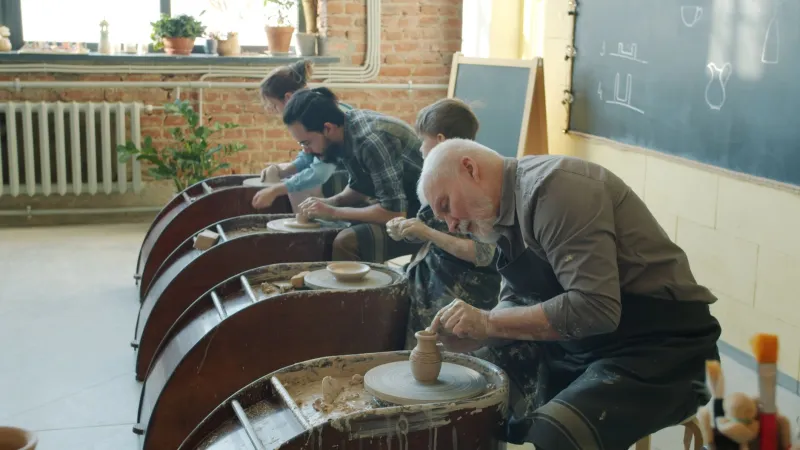
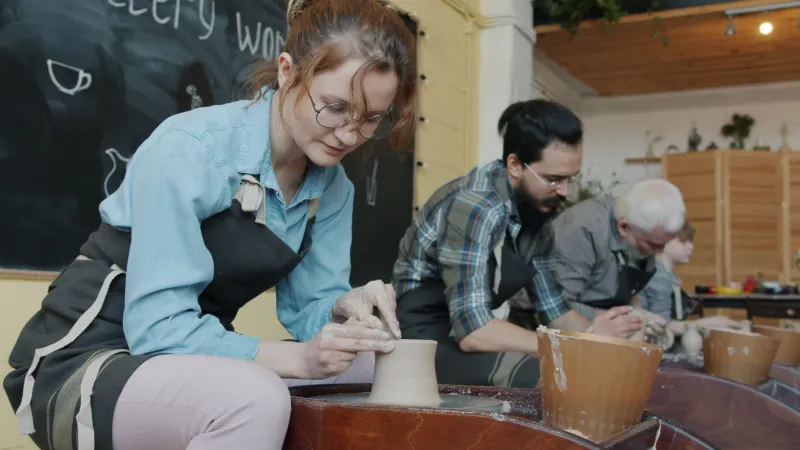
There is a particular smell to a village hall on a wet Tuesday evening: floor polish, instant coffee and the faint mineral coolness of clay just out of the bag. You park next to a recycling bin, follow the strip lights down a corridor, and find six people in aprons hunched over wheels that have been wheeled in on trolleys. It is not glossy. It is, for a lot of beginners, exactly right.
Across the UK in 2026, rural pottery classes are having a steady, unshowy moment. They are not replacing city studios or the polished taster sessions that sell out before Christmas. They are doing something different: giving people in villages and small towns regular wheel time without a city-studio price tag or a two-hour drive. The catch is that village-hall pottery can be brilliant or cramped, depending on how it is set up. Here is how to tell the difference — and how to start one where you live.
Why the parish hall makes sense again
Village halls have always been multi-purpose. They have hosted polling stations, keep-fit groups, WI meetings, birthday parties and jumble sales. Pottery fits because it needs roughly the same things as a good community group: a hard floor, a sink, power sockets, storage and people willing to sweep up.
The economics are simple. A rural hall usually costs far less per hour than a town-centre unit. A visiting tutor can bring wheels and a small kiln load arrangement, or a local co-operative can share equipment between sessions. Overheads stay low, so the class fee can stay reasonable. That matters when a beginner is not yet sure whether they will love clay or quietly resent it by week three.
There is also the pace. City classes can feel like a conveyor belt of beginners making one mug and leaving. A village-hall group often has the same faces for a whole term. That gives you permission to be bad at centring for a fortnight without an audience of twenty.
What a well-run session actually looks like
A good rural pottery class is not defined by fancy equipment. It is defined by space and attention. Look for a maximum of six to eight people around wheels, with enough room to move between them without doing a sideways shuffle. Check that there is a proper sink, not just a washing-up bowl, and that clay dust is being managed rather than ignored. That means damp cleaning, sealed bins, and a separate area for glazing if possible.
Ask where the work is fired. Some groups fire on site; others take biscuit ware to a local studio or a shared kiln. Either is fine, but the route should be clear and the firing cost should be explained before you pay. A well-run class will also tell you what clay is included and what is not. Nothing sours a beginner’s term faster than discovering that glaze and firing were extra all along.
The tutor matters more than the building. A decent tutor will demonstrate, watch, correct and let you make mistakes. They will not spend forty minutes making their own teapot while you wrestle with a collapsing cylinder. In a small group, you should get actual feedback on centring, opening out, pulling up and trimming. If the session is all demonstration and no wheel time, it is not really a pottery class. It is a talk with clay nearby.
The price question and the hidden extras
Village-hall classes can undercut city studios, but they are not automatically cheap. Add up the class fee, clay, glaze, firing, travel and the occasional tool you will inevitably buy. A rural session that looks like a bargain can become less so if firing is charged per piece and you make like a potter possessed. Ask for a simple breakdown before you book. A good organiser will have one ready.
Also ask about cancellation and missed weeks. Some groups run termly and do not offer refunds for a missed class; others are more flexible. Neither is wrong, but you should know which you are joining.
How to spot beginner-friendly from simply basic
A beginner-friendly class teaches the foundations in order: wedging, centring, opening, pulling, trimming, then glazing. It does not promise that everyone will make a bowl in week one. It gives you repeatable skills rather than a single souvenir. It also keeps the group small enough that the tutor can see what you are doing wrong before it becomes a lopsided monument to frustration.
Basic is different. Basic means one table, too many people, one sink and a vague plan. If you arrive and every wheel is crammed against a wall, or there is no dust control, or the tutor cannot tell you where the work will be fired, treat it as a taster rather than a term. You can still have fun. Just do not expect to progress quickly.
Starting your own village-hall pottery group
If there is nothing nearby, the good news is that starting a group is not as mad as it sounds. Begin with the hall committee. Ask about power, water, floor covering, storage and evening access. Check whether the hall’s insurance covers the activity and whether you need your own public liability cover if you are charging people. If you are bringing in a tutor, ask for their insurance and risk assessment. This is boring, but it is the difference between a hobby and a headache.
Next, work out firing. A local studio, a nearby potter with kiln space or a shared kiln club can all work. Do not buy a kiln before you have a group, a venue and a sensible plan for ventilation. Start small: six people, a taster session, a clear materials list and a date for the second session. Advertise through the parish newsletter, the library noticeboard, local Facebook groups and the village WhatsApp chain. Keep the first session simple. Clay, wheels, tea, sweeping up.
The quiet bit that matters is the company. Rural classes are as much about a regular Thursday night out as they are about throwing a decent cylinder. That is not a soft extra. It is why these sessions keep going. In 2026, with city studio prices still making beginners blink, the village hall wheel is worth a look. Bring an apron, bring patience, and bring a biscuit for the urn.