Keep, Gift, Plant, Smash: Making Peace With Your Early Pots
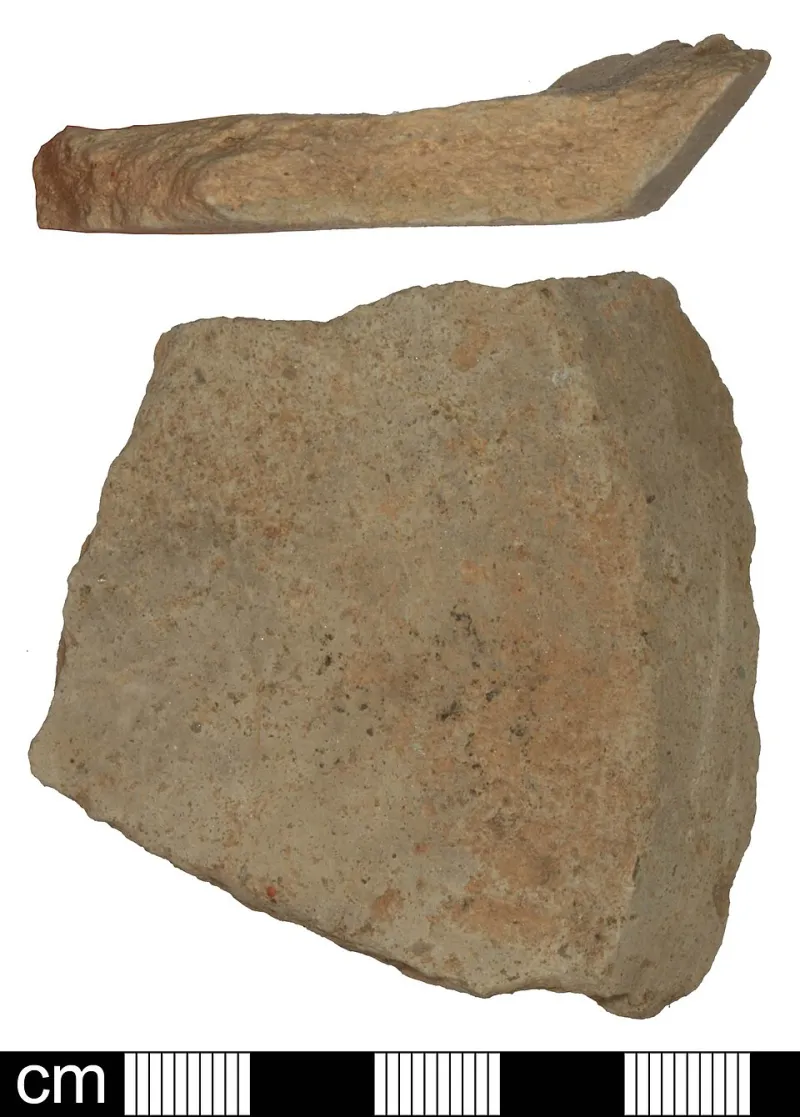
Photo: Somerset County Council, Naomi Payne, 2007-06-12 09:52:47, CC BY-SA 2.0, via Wikimedia Commons
Every potter ends up with a pile. Not the good shelf, not the exhibition shelf, not even the shelf you show visitors. The other one: the first-year pile. The mug that leans, the bowl with a base like a geological event, the test tile that exploded in a way you have not yet emotionally processed. In 2026 it is easy to feel like everyone else is posting flawless celadon while you are wondering whether a wonky cylinder counts as a pen pot or a cry for help.
It does count as a pen pot. But it does not all need to stay.
The trick is to stop treating the pile as a character flaw and start treating it as raw material, evidence and, occasionally, a gift for someone who genuinely likes chunky stoneware. You do not need a dramatic clear-out. You need a system that respects the clay, the money you spent on firing and the fact that your kitchen cupboard is not a museum store.
Start with the three-pot rule
Before you cull anything, pick three pots to keep from your first year. One should show progress, even if that progress is only visible to you. One should do a job: hold spoons, catch keys, sit under a plant, contain pens. One should simply make you smile, even if it is objectively a bit rubbish.
Then be honest about safety. A wobbly mug can be charming; a mug with a crazed glaze, a crack through the body or a raw, dusty foot is not a drinking vessel. Keep it if you love it, but move it away from food. The same goes for anything with a glaze that has crawled, blistered or failed to fit. Your first year is for learning, not for pretending every surface is food-safe.
A useful test: turn the pot over. If you would not sell it to a stranger at a village fête, do not give it to a friend for their morning coffee. Give it a different job instead.
Cull in daylight, with boxes and a camera
Set aside an hour, put the pots on a table and make four boxes or piles: keep, gift, garden and gone. The gone pile can be split later into donate, mosaic, shard bin or smash.
Photograph each pot before it leaves the house. This sounds fussy, but it takes seconds and it builds a record. Note the date, the clay, the glaze and what went wrong. A photo of a thick bowl with a caption like 'too heavy, base cracked, glaze too thin on rim' is worth more than a vague memory. It also stops you making the same bowl three times in 2027 because you have forgotten why the first one annoyed you.
If you can, do this with a pottery friend. They will be kinder than you are about the keepers and more ruthless about the rest. They will also stop you keeping eleven cylinders because 'the clay was expensive'. The clay has already been paid for. The question now is whether it earns its space.
Gifting: be honest, be specific, be useful
Handmade pots make lovely gifts, but only when the giver is not secretly hoping the recipient will display a cracked jug on a mantelpiece forever. Label things clearly. 'Wonky but watertight' is a perfectly good gift tag. 'Spoon rest, not dishwasher safe' is even better.
Plant pots are the safest route. A thick-walled cylinder with no drainage hole becomes a cachepot for a supermarket houseplant. A shallow bowl becomes a saucer. A small dish becomes a jewellery tray or a soap dish, provided the glaze is sound. A mug that is too heavy to drink from can hold pens, brushes or kitchen utensils.
For the 2026 winter gift-giving season, resist the urge to offload the worst pots as 'rustic'. Choose the ones that are sound, useful and genuinely made with someone in mind. Keep the rest for the garden pile. A friend who receives a leaky mug is not receiving a gift; they are receiving a future awkward conversation.
Donating: where UK ceramics actually go
Charity shops are not a bottomless pit for cracked pottery. Most will take intact bric-a-brac, but they do not want chipped mugs, crazed bowls or anything that will not sell. Ring ahead or ask at the counter. Smaller local charity shops, hospice shops and church hall sales are often more realistic than a big high-street chain.
Community gardens, allotment societies and school art departments are better bets for intact but imperfect pots. Ask before you turn up with a crate. A school mosaic club may welcome broken tiles and shards, but only if they have said yes. Scout groups, repair cafés and community arts centres sometimes run mosaic or craft sessions and will take clean, broken ceramic pieces. Freecycle, Olio and local Facebook groups can work for a 'free to collector' box, but be honest in the listing: 'student pots, some cracked, good for mosaic or garden crocks'.
Do not put ceramics in the household recycling bin. They are not glass and they will not be recycled into bottles. If in doubt, ask your local council's waste team, but expect the answer to be 'not in the kerbside collection'.
Garden reuse: crocks, cachepots and a bit of wildness
Broken unglazed pots make excellent drainage crocks for plant pots. Smash them into pieces roughly the size of a 50p coin, wear eye protection, wrap the pot in an old tea towel first and keep your hands out of the way. Glazed shards are less useful for drainage and can be sharp, so keep those for mosaic projects or dispose of them safely.
Intact but unloved pots can become garden clutter in the best sense: a shallow dish as a bird bath, a chunky cylinder as a planter, a bowl as a saucer under a thirsty fern. Just remember that frost can crack porous pots. In a British winter, empty them or bring them under cover.
If you have a lot of shards, a local pottery studio may have a broken-pot bin for drainage or a mosaic group may take them. Ask first. Nobody wants a surprise bin bag of sharp bits.
Smashing for grog: the honest version
You can crush fired pots to make grog, but it is not a free lunch. Fired ceramic is hard, dusty and sharp. Wear goggles, gloves and a dust mask, wrap the pot in a stout cloth and break it with a hammer. Sort out glaze-heavy pieces, which can contaminate a clay body, and aim for small, gritty pieces rather than powder. Sieve out the dust and use the grit sparingly in sculpture or hand-building clay. Test it before committing a whole batch.
If that sounds like too much faff, take the pots to a studio that already has a shard bin. Many UK potteries keep broken bisque for drainage and packing. Ask nicely and do not dump it on the doorstep.
What the pile is actually telling you
Your early pots are a syllabus. The thick base says you need to wedge and throw more evenly. The cracked join says you need to score and slip with more patience. The glaze that went cloudy says you need to test on tiles. The mug that survived says you are getting somewhere.
Keep one ugly pot from your first year. Put it on the shelf next to your newest piece. In twelve months, the difference will do more for your confidence than any Instagram reel. Then make room for the next batch. The shelf of shame is only shameful if you let it stop you making. Otherwise it is just a very honest, slightly lumpy archive.